

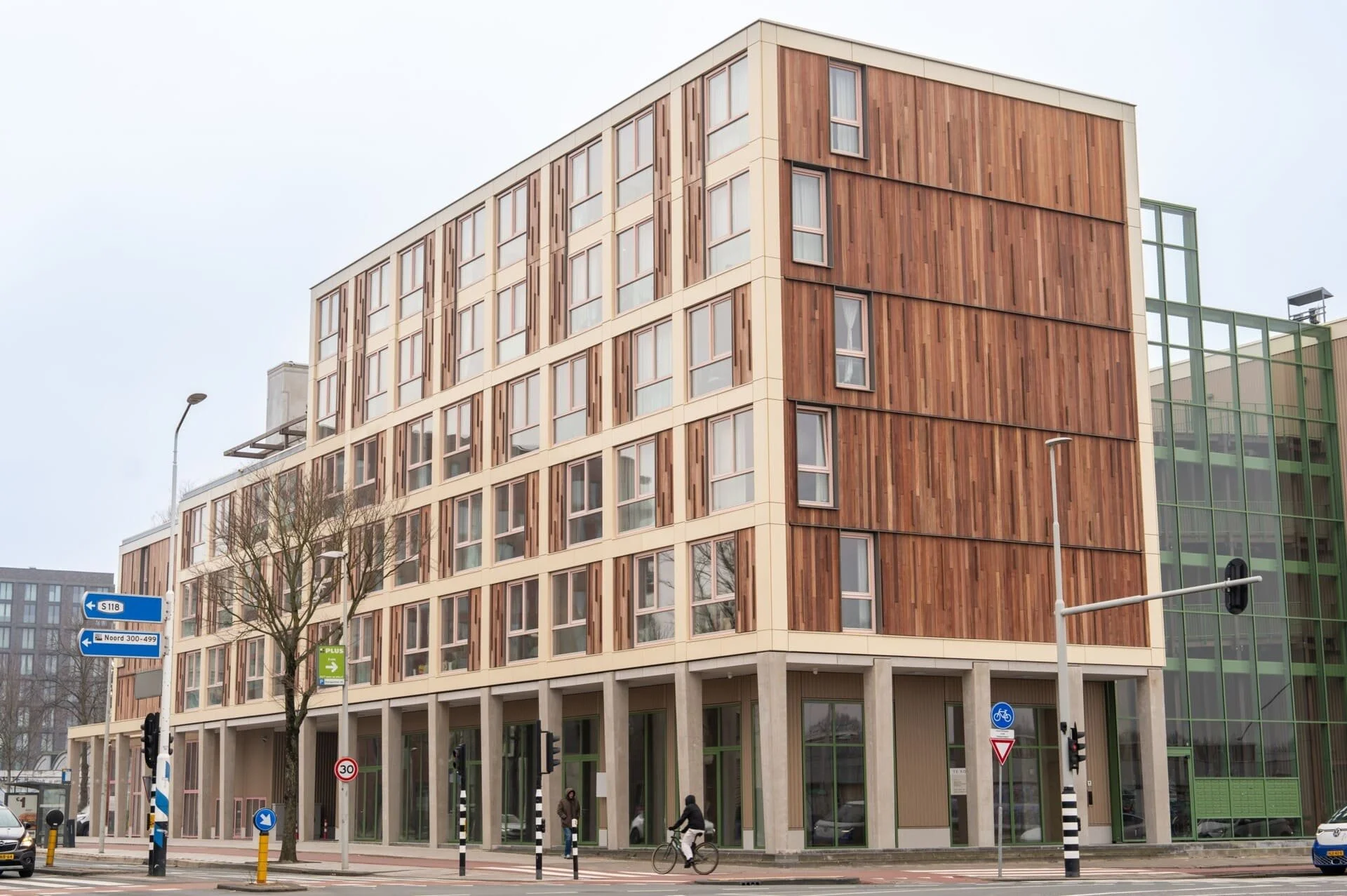
Timber Construction Course for Housing Associations
Climate action is needed now: start building responsibly with timber
Timber construction is gaining momentum rapidly – and for good reason. Wood is a sustainable and circular building material that stores CO₂, is highly suitable for prefabrication, and contributes to comfortable and healthy homes.
For housing associations, timber construction offers significant opportunities. At the same time, it requires a well-considered approach and collaboration with the right partners. During this course, you will gain all the knowledge needed to act successfully as a client in timber construction projects..
Course topics
-
Availability of timber
-
Best practices
-
Laws and regulations
-
Architecture & health
-
Timber construction techniques
-
Building physics
-
Tenants
-
Costs
-
Windows, façades and balconies
Who should attend?
This course is designed for strategy‑level and project‑level professionals, including:
Project leaders and development managers
Directors and senior advisors at housing associations
Asset managers and portfolio strategists
Policy and sustainability leads
Public‑sector and municipal housing professionals
The course is non‑technical by design: no prior expertise in timber construction is required. The emphasis is on decision‑making, commissioning and collaboration, not engineering calculations.
About the course
-
In‑person delivery in the Netherlands
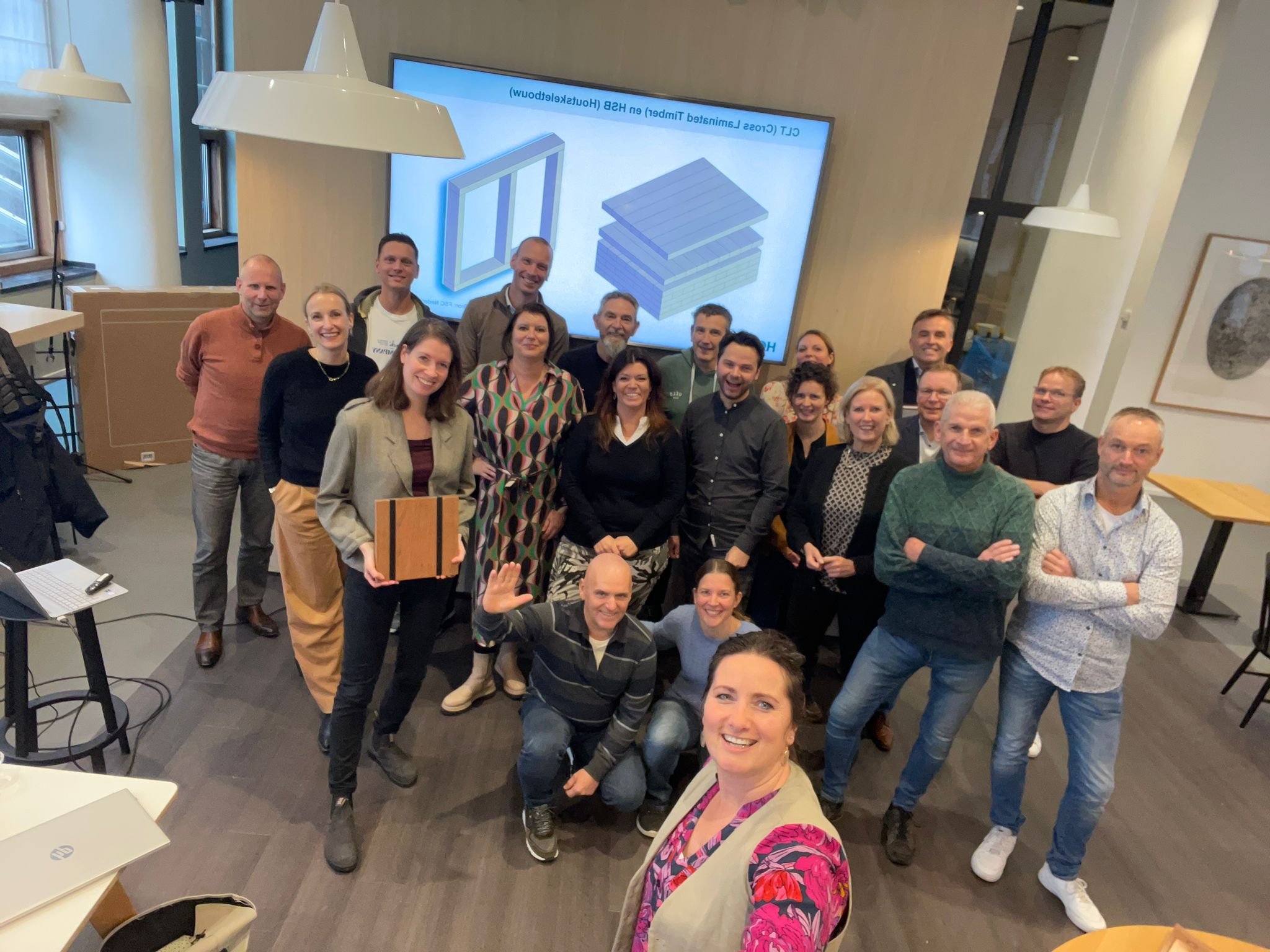
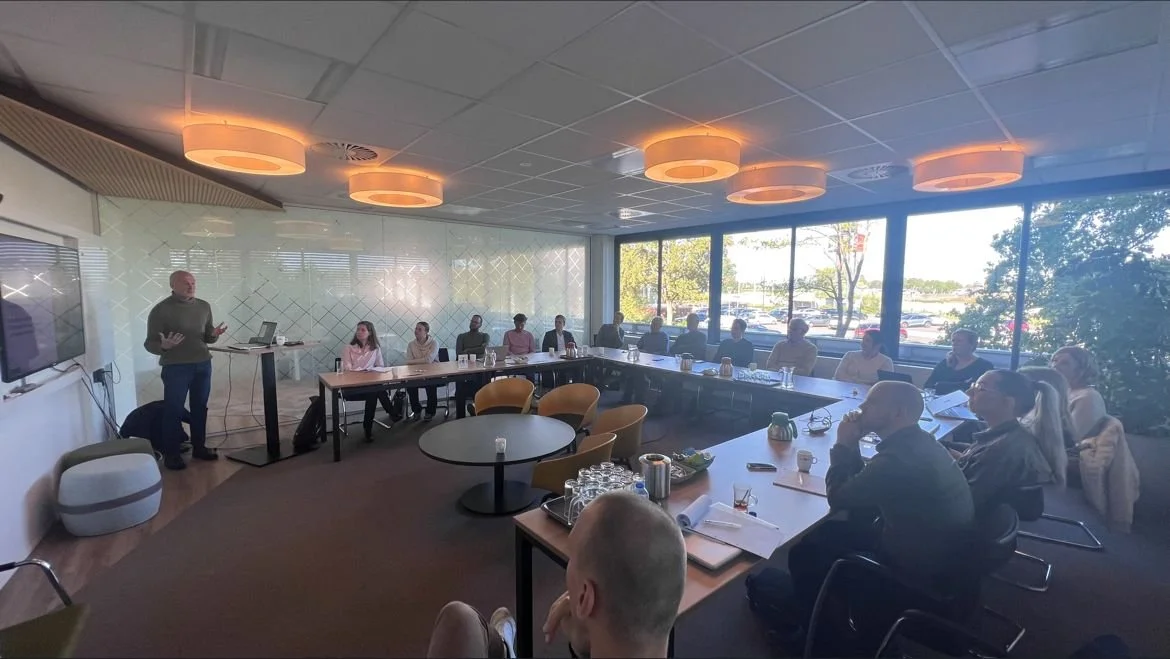
Interactive group size (12–20 participants)
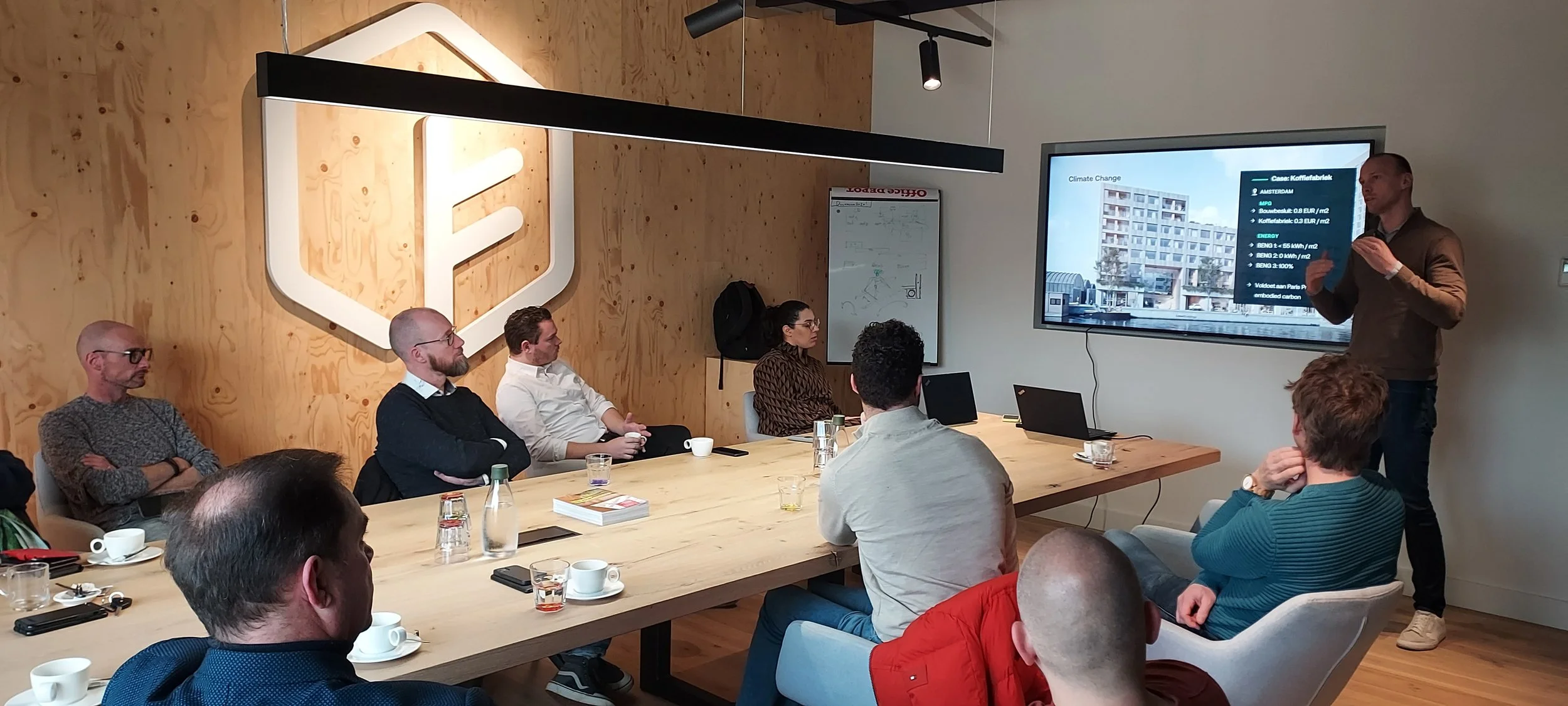
Case‑based discussions grounded in social housing practice
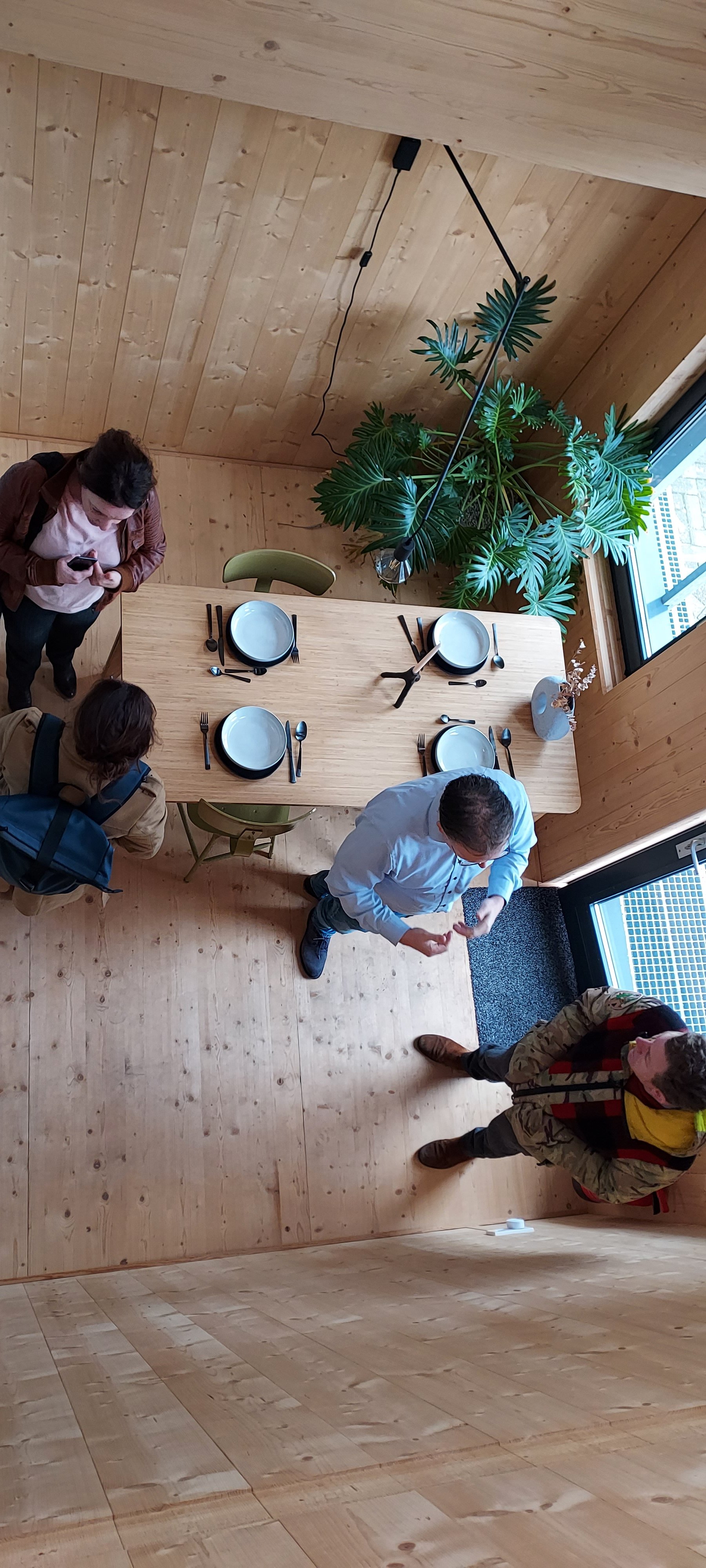
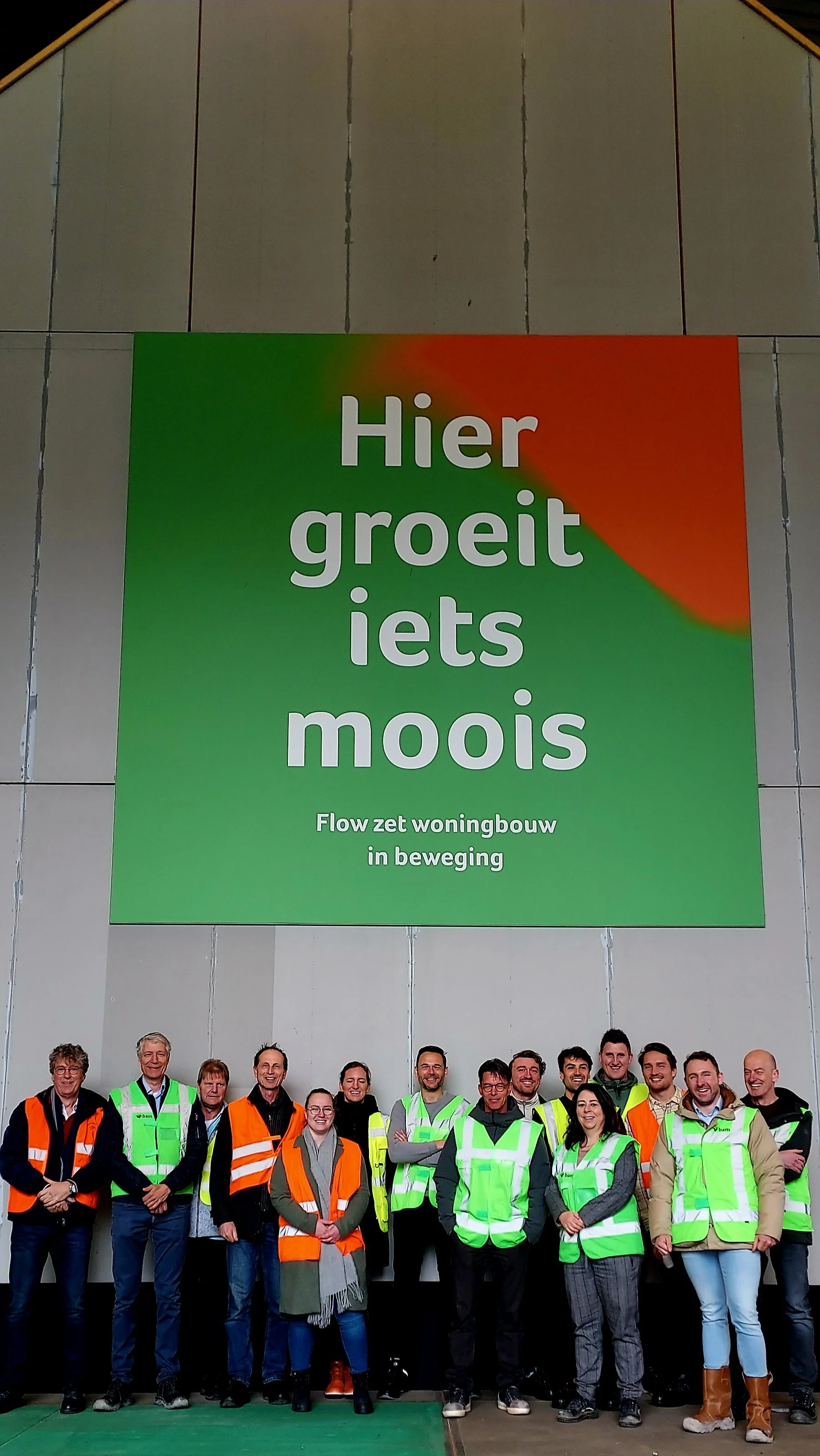
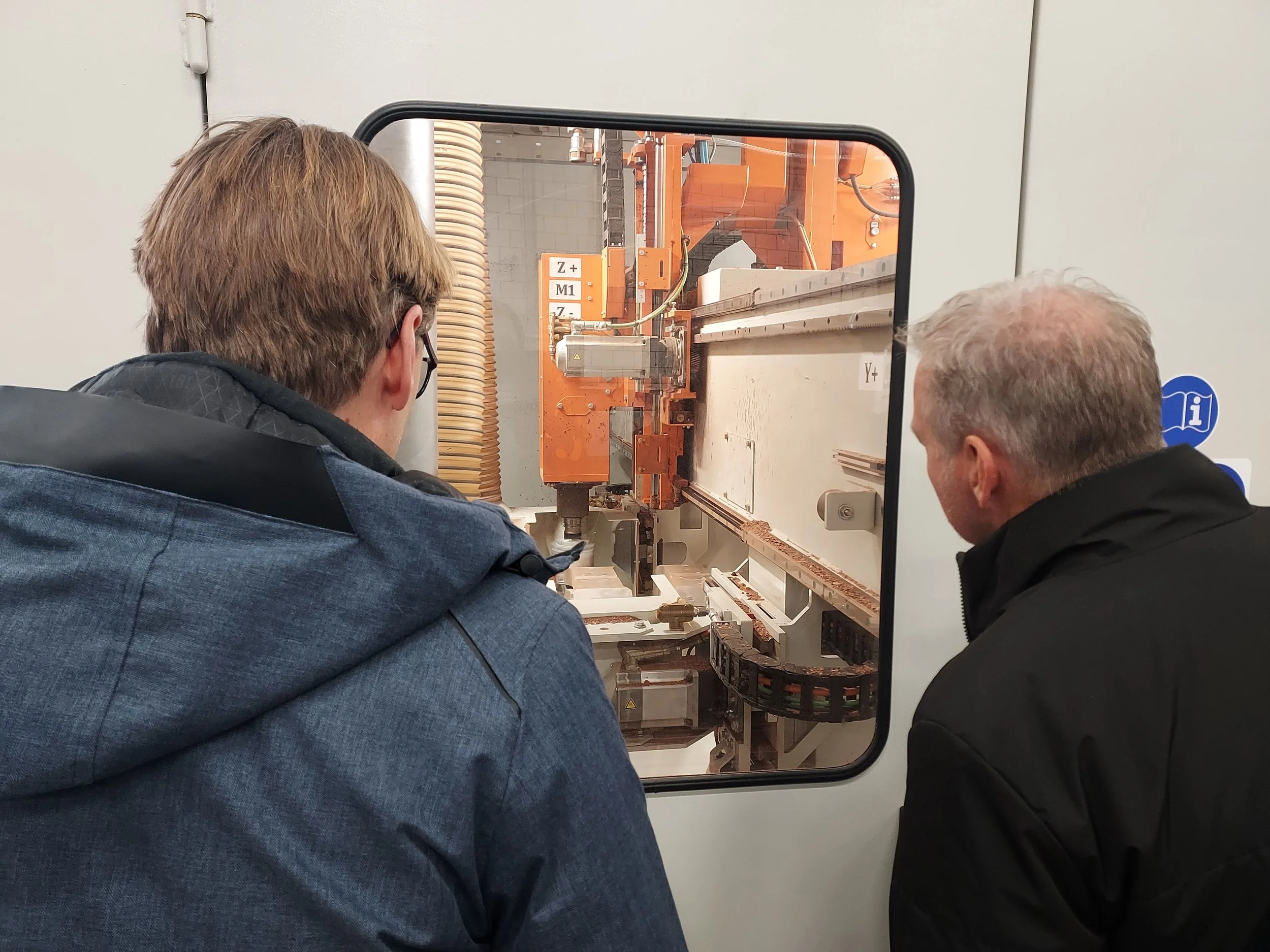
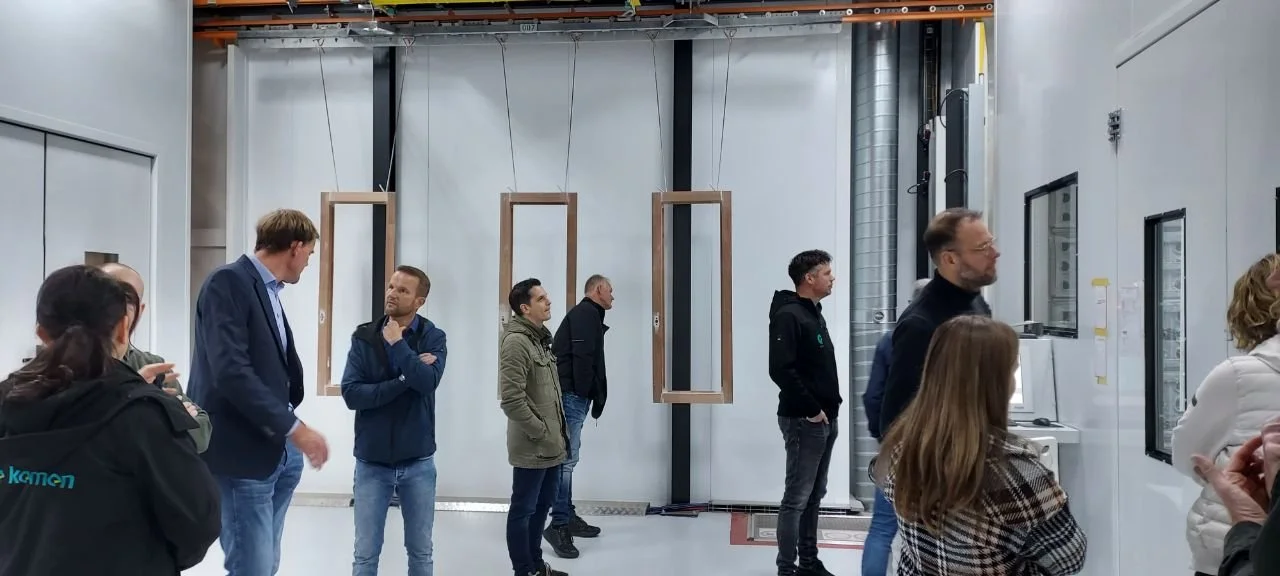
Optional site visit to a timber housing project or production facility
Space for dialogue on risks, doubts and organisational barriers
The course encourages peer learning and reflection on participants’ own projects and strategies.
-
The course consists of interconnected modules that can be delivered in one or multiple sessions:
Why build with timber?
Climate impact, circularity, carbon storage and forest valueTimber construction systems
Timber frame (HSB), CLT, hybrid solutions and building physicsArchitecture, health and wellbeing
Biophilic design and indoor environmental qualityThe tenant perspective
Expectations, communication and living in timber homesRules and regulations
Fire safety, legislation and national differencesCosts and affordability
Initial costs, TCO, social costs and future developmentsSuccessful commissioning
Procurement strategies, collaboration and scaling up
-
The course materials are fully adaptable to different national contexts. Regulations, procurement systems and market conditions differ across countries — and the course is designed to reflect that.
For organisations outside the Netherlands, the HOME for the future team can:
Support local trainers or partners
Assist with adapting the course content
Provide guidance through online Teams sessions
Share experience from over 100housing organisations already involved

“Timber construction is not a goal in itself. Choose the right material in the right place.”
Dick van Ginkel, TBI Woonlab